ABSTRACT
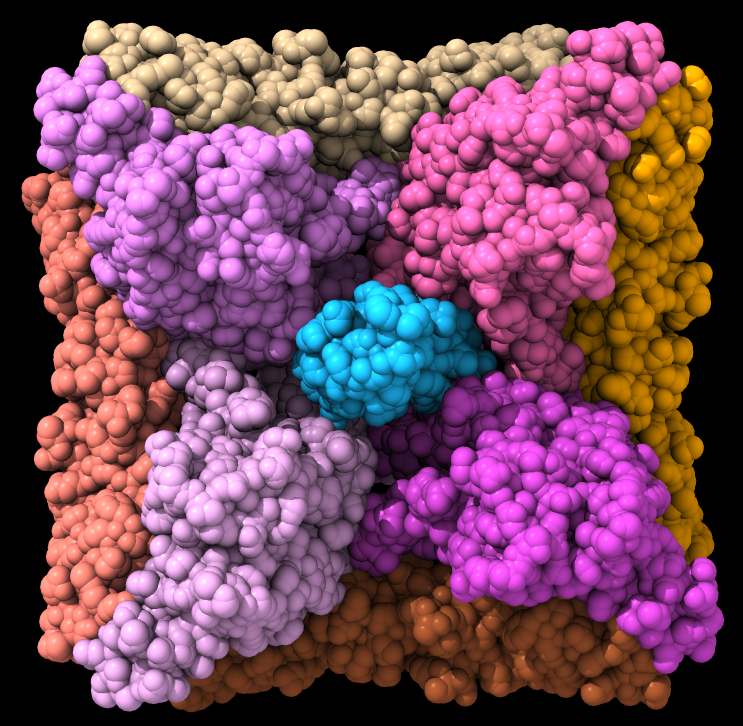
Hantaviruses are rodent-borne pathogens that cause severe human disease for which no approved therapeutics are available. New World hantaviruses, including Andes virus (ANDV), use the cell-surface receptor protocadherin-1 (PCDH1) to enter host cells1. However, the structural basis of this interaction remains unclear. Here we describe the structure of PCDH1 bound to the ANDV spike at near-atomic resolution. PCDH1 asymmetrically engages a deep central pocket formed by four Gn protomers in the spike, explaining why only intact viral particles or soluble tetramers recognize it. Mutagenesis identified three Gn loops that shape the receptor-binding site and afford the transfer of PCDH1 binding from New World to Old World glycoproteins. Structural and functional analyses of four neutralizing antibodies revealed that they block receptor binding through two distinct mechanisms—occluding access to the PCDH1-binding site or sterically preventing receptor engagement. Together, these findings define the structural determinants of hantavirus–receptor recognition, reveal how a virus can mask its receptor-binding site by recessing it in a surface depression and how antibodies can counter this strategy, and provide a framework for the design of antiviral therapeutics targeting the hantavirus spike.